


 Polski
 Deutsch
 Italiano
 Svenska
 Čeština
 Română
 Русский
 Українська
 Slovenčina
 Español
 Français
 Magyar
 Nederlands

Arbiton Skirting Boards
It is said that the devil is in the details, so pay attention to all - even the smallest - details. They constitute the strength of the whole solution, because nothing dazzles the eyes more than the finish of the arrangement that does not match the general idea or is made in a negligent manner. On the other hand, properly selected details, nuances can completely change the character of the interior design. When it comes to floors, it is exactly the same, so before you start renovation, you should think about the elements that will ensure a stylish finish of the floor. First of all, you need to pay attention to the skirting boards - without them, any floor, no matter how beautiful, will be average at best.
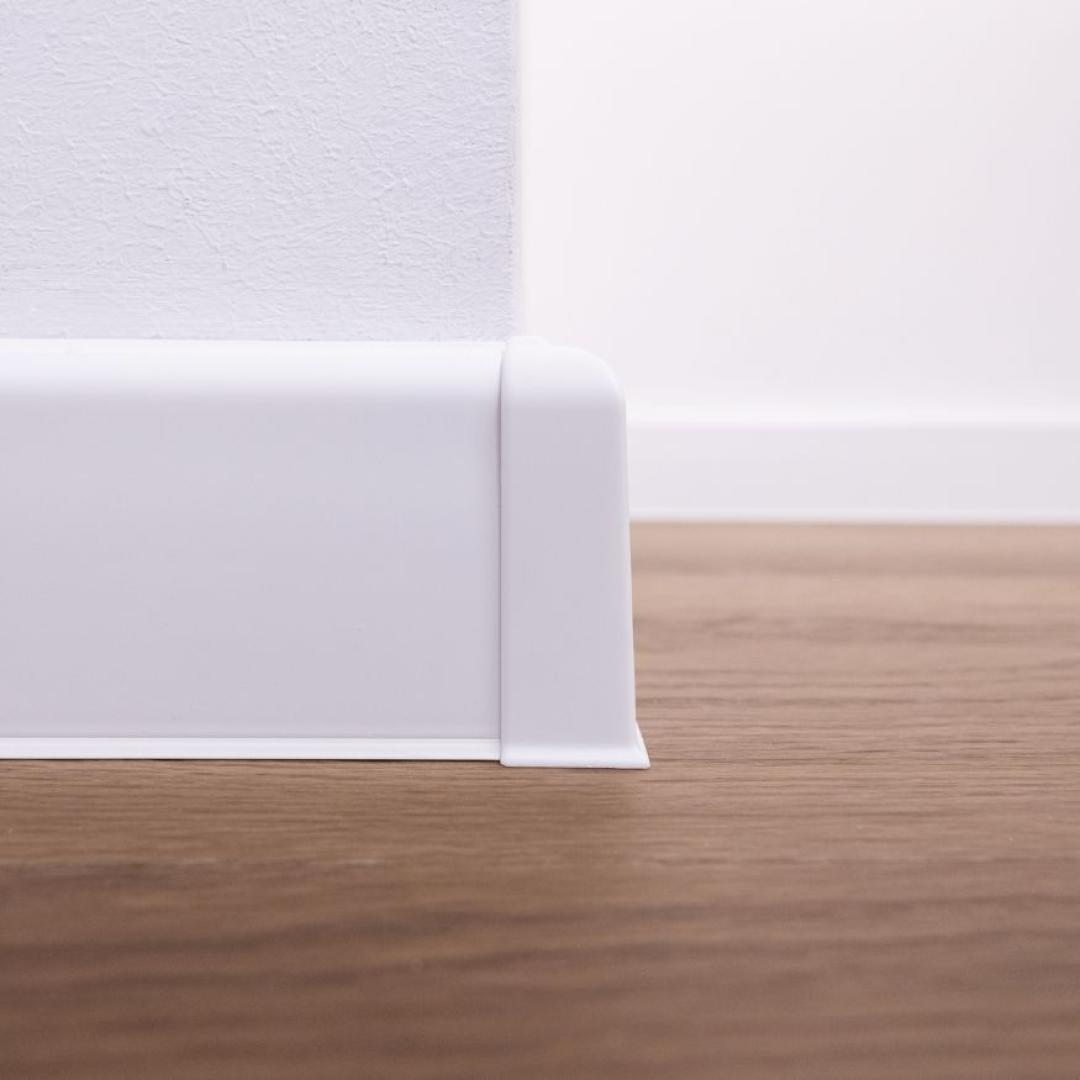

Height (mm) : 60-100
Technology: POLYMER
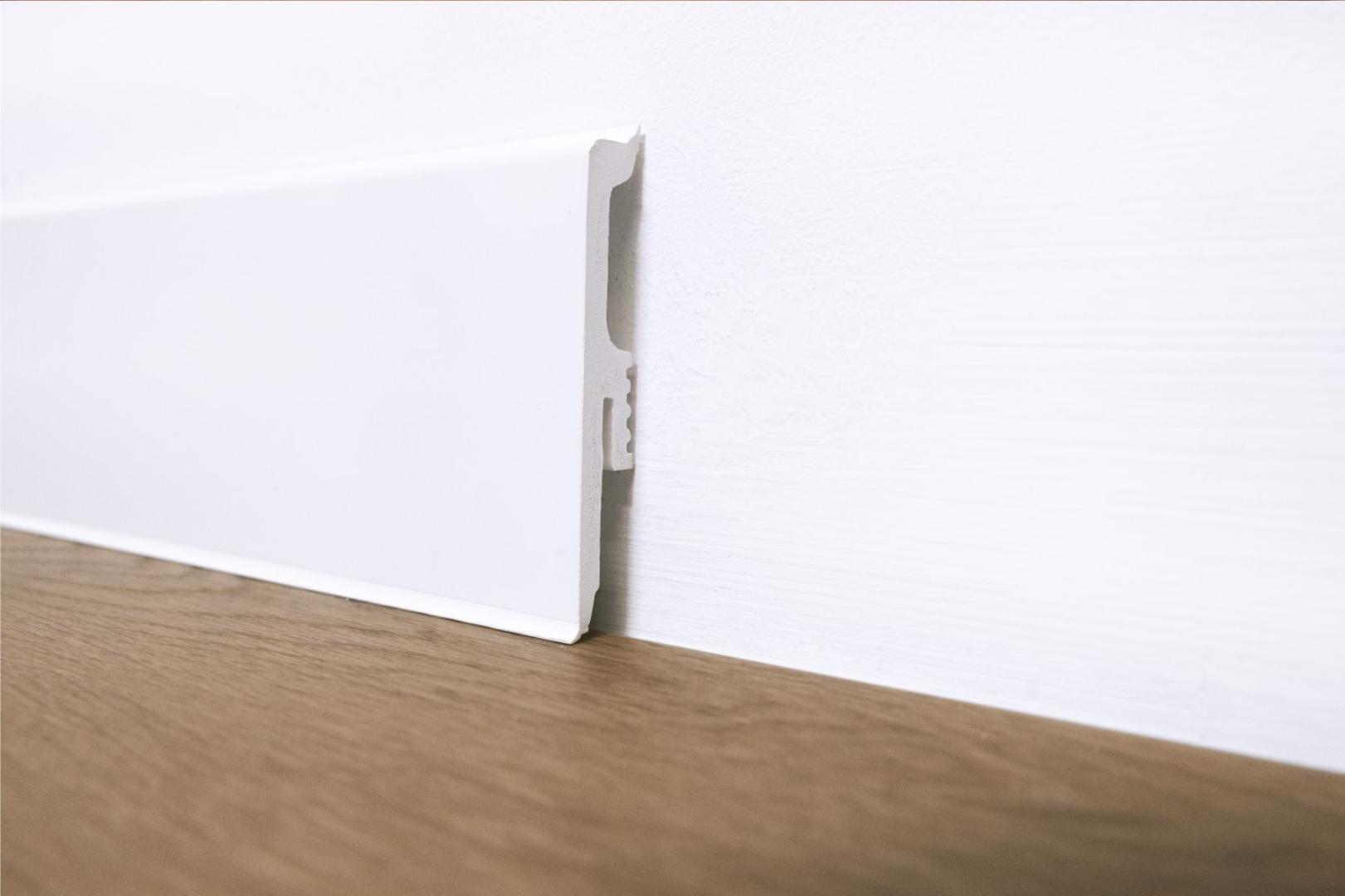

Height (mm) : 80
Technology: POLYMER
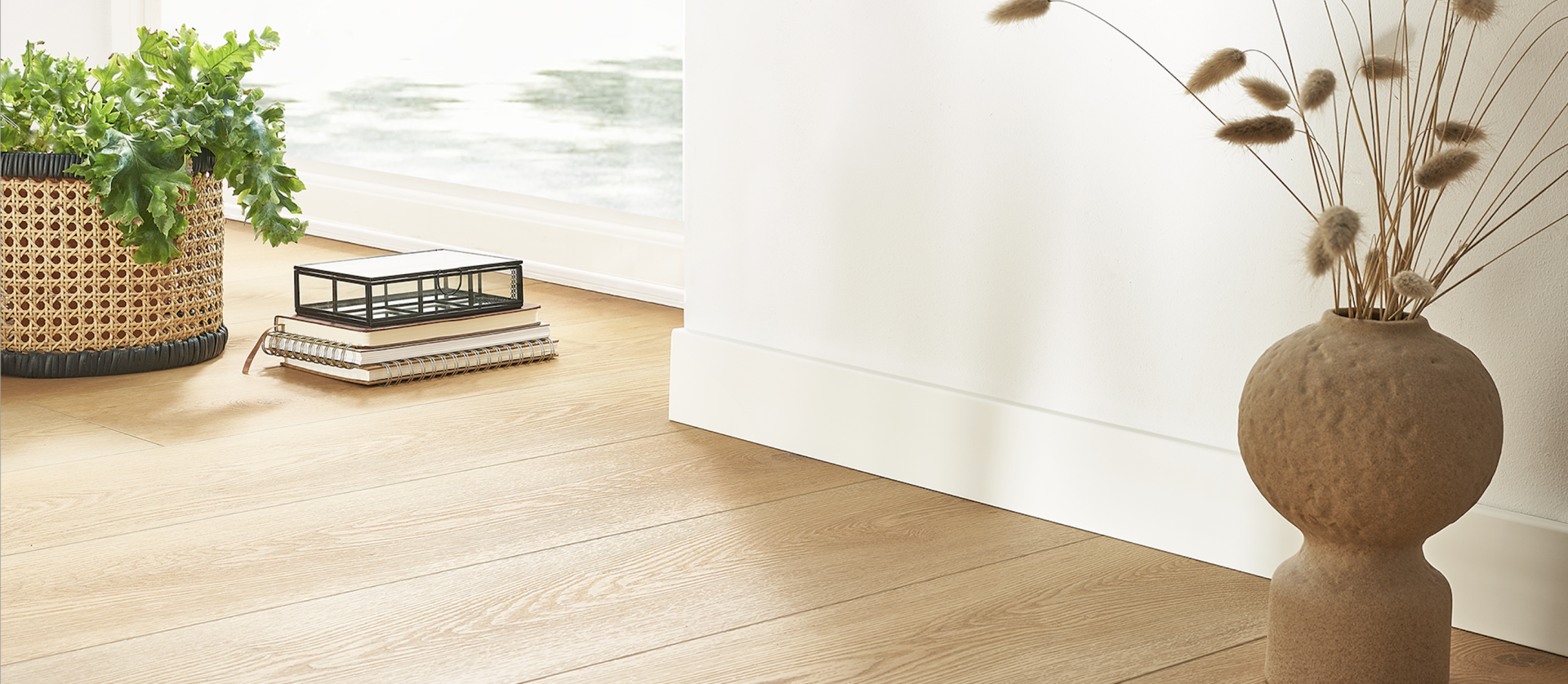

Height (mm) : 60-100
Technology: PVC-FREE (HDPS)
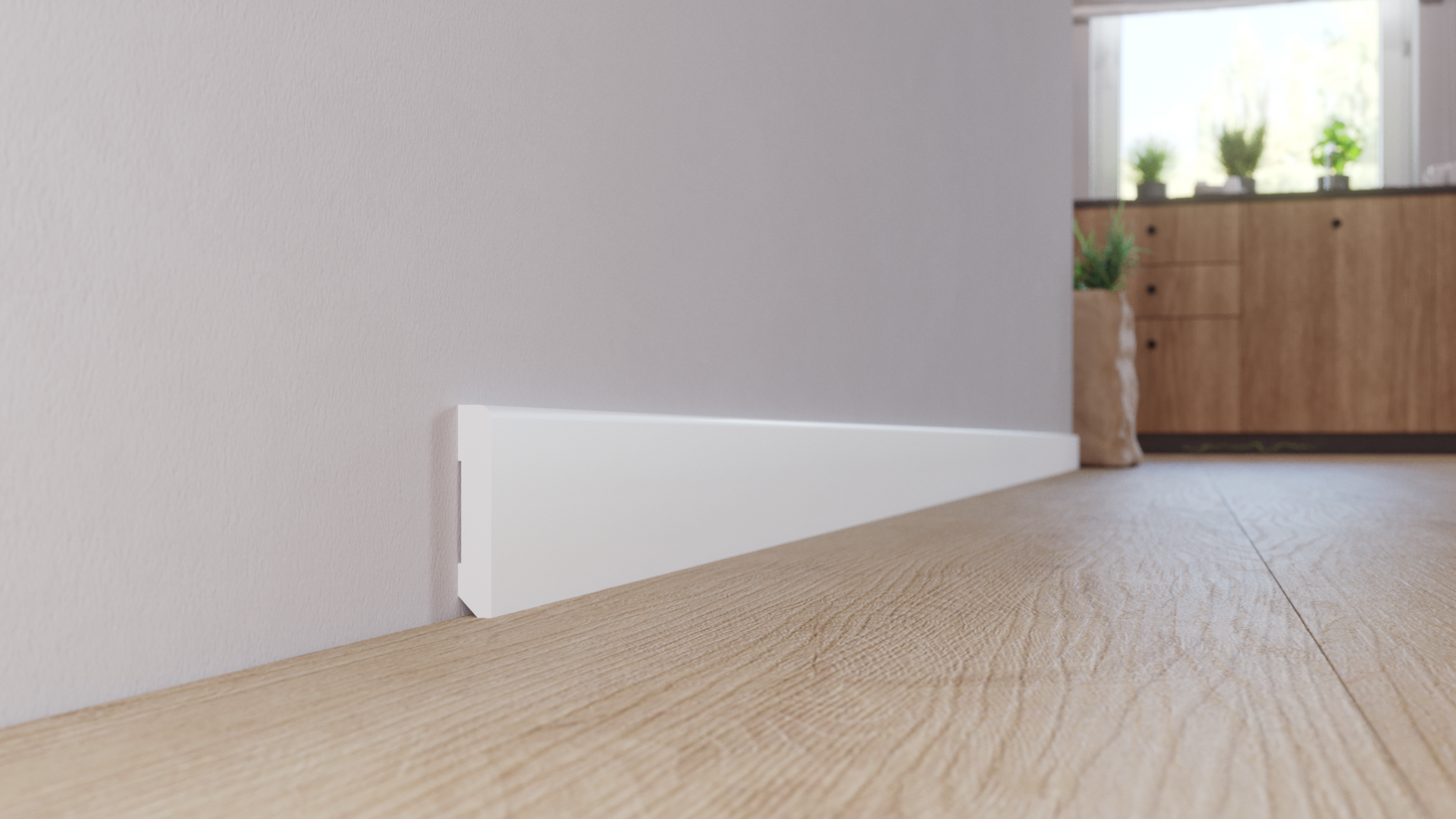

Height (mm) : 60-100
Technology: PVC-FREE (HDPS)

Height (mm) : 60-100
Technology: PVC-FREE (HDPS)
Height (mm) : 60-100
Technology: MDF

Height (mm) : 60-100
Technology: MDF

Height (mm) : 60-100
Technology: PVC-FREE (HDPS)
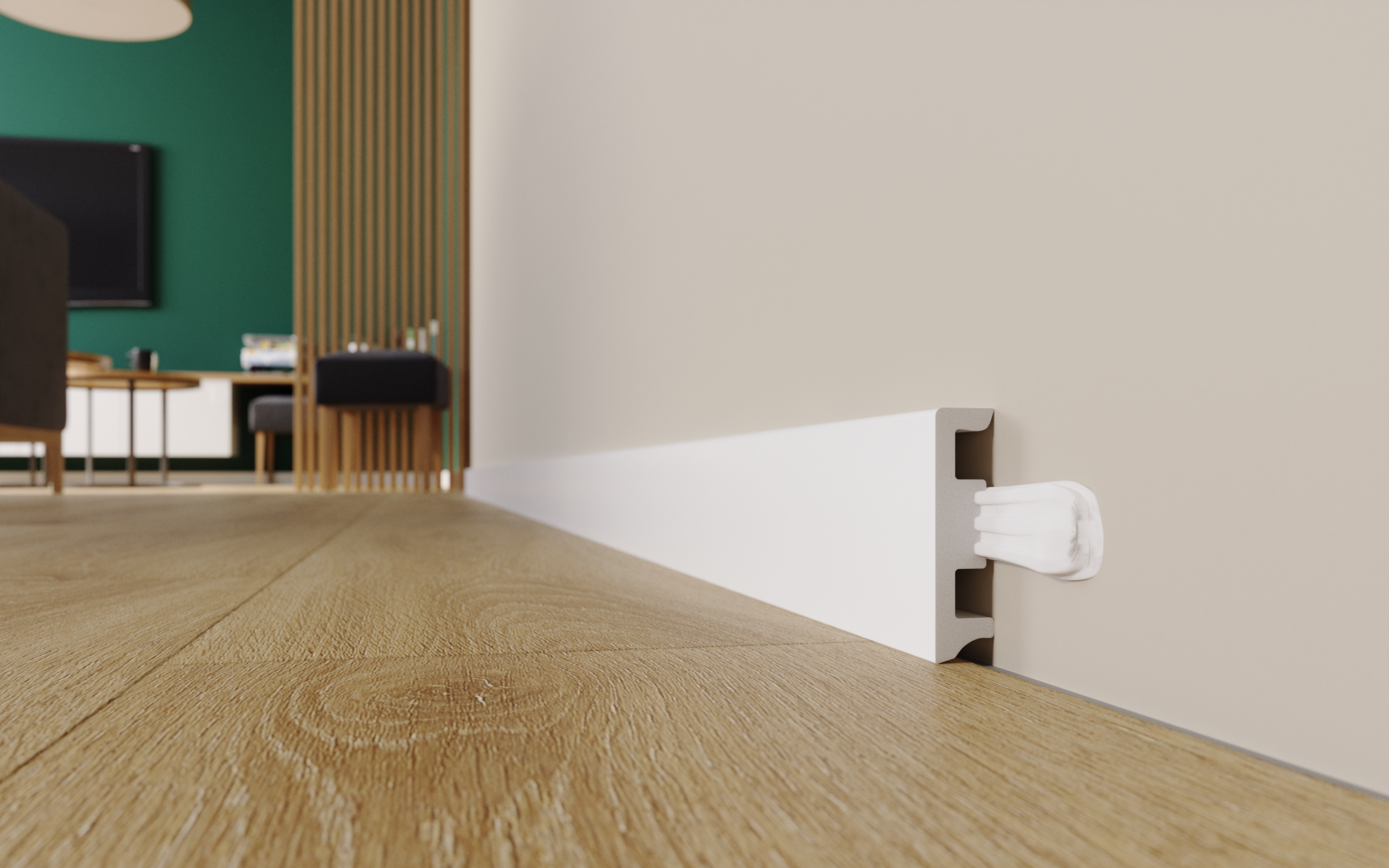
Height (mm) : 60-100
Technology: PVC-FREE (HDPS)
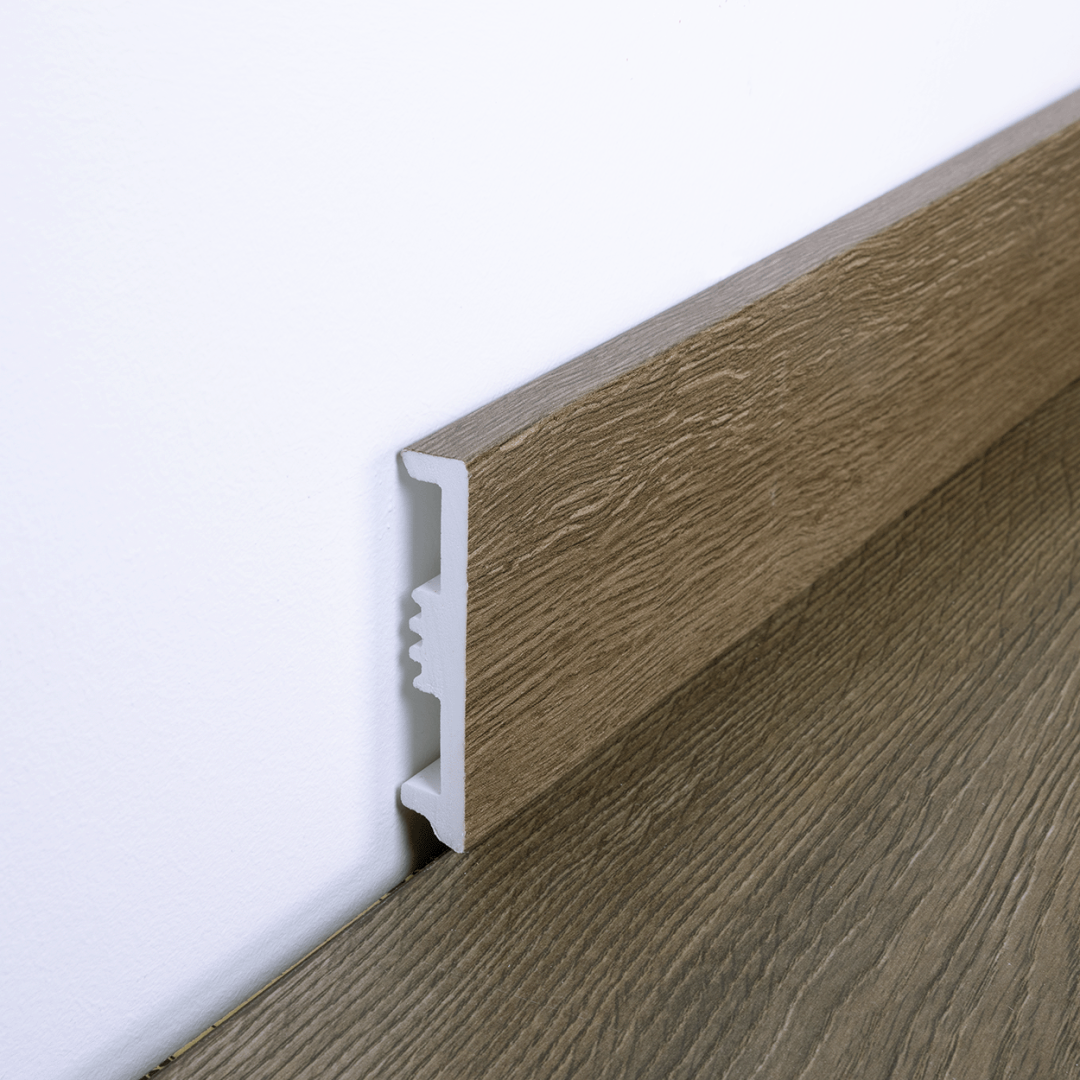
Height (mm) : 80
Technology: PVC-FREE (HDPS)
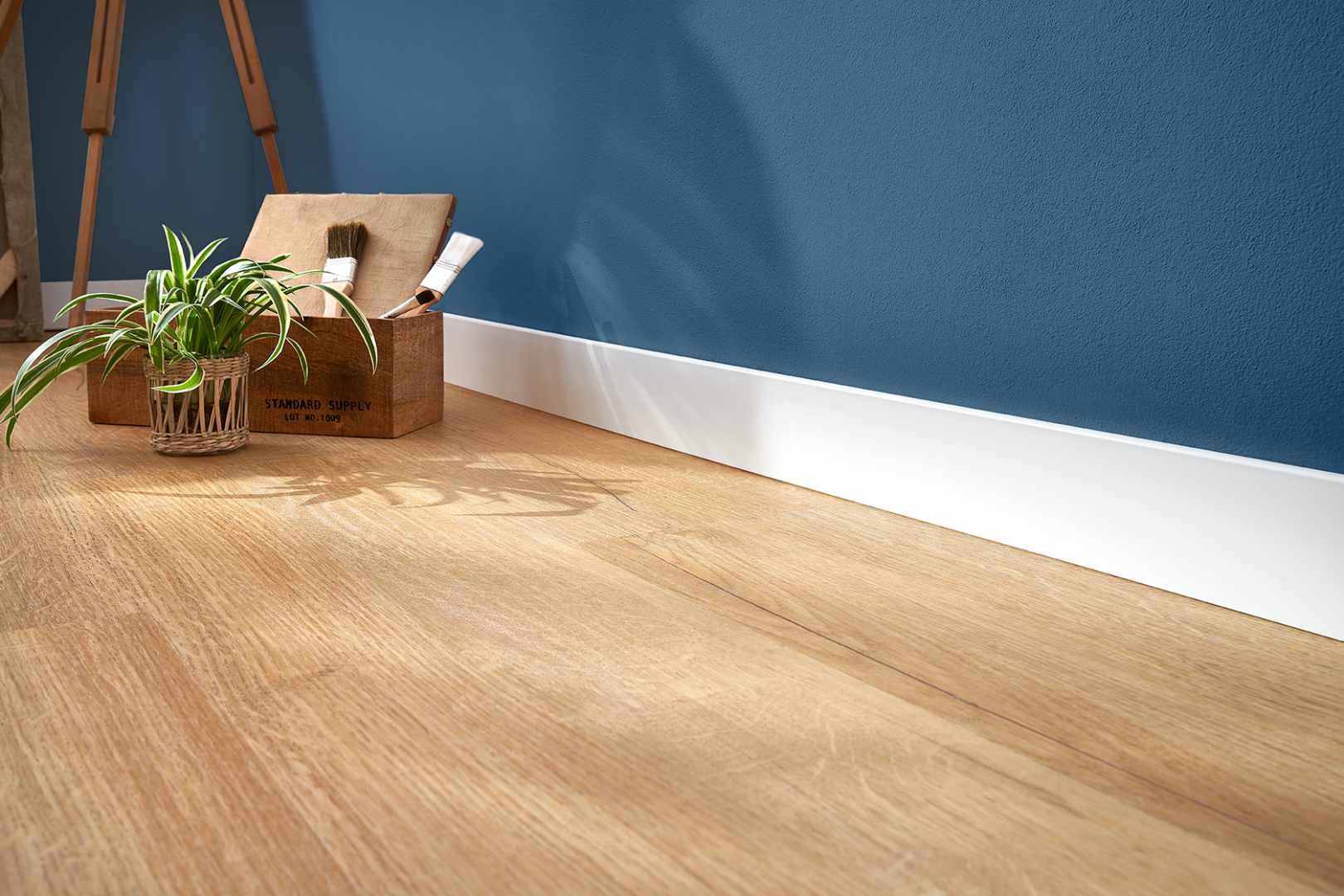
Height (mm) : 80
Technology: POLYMER
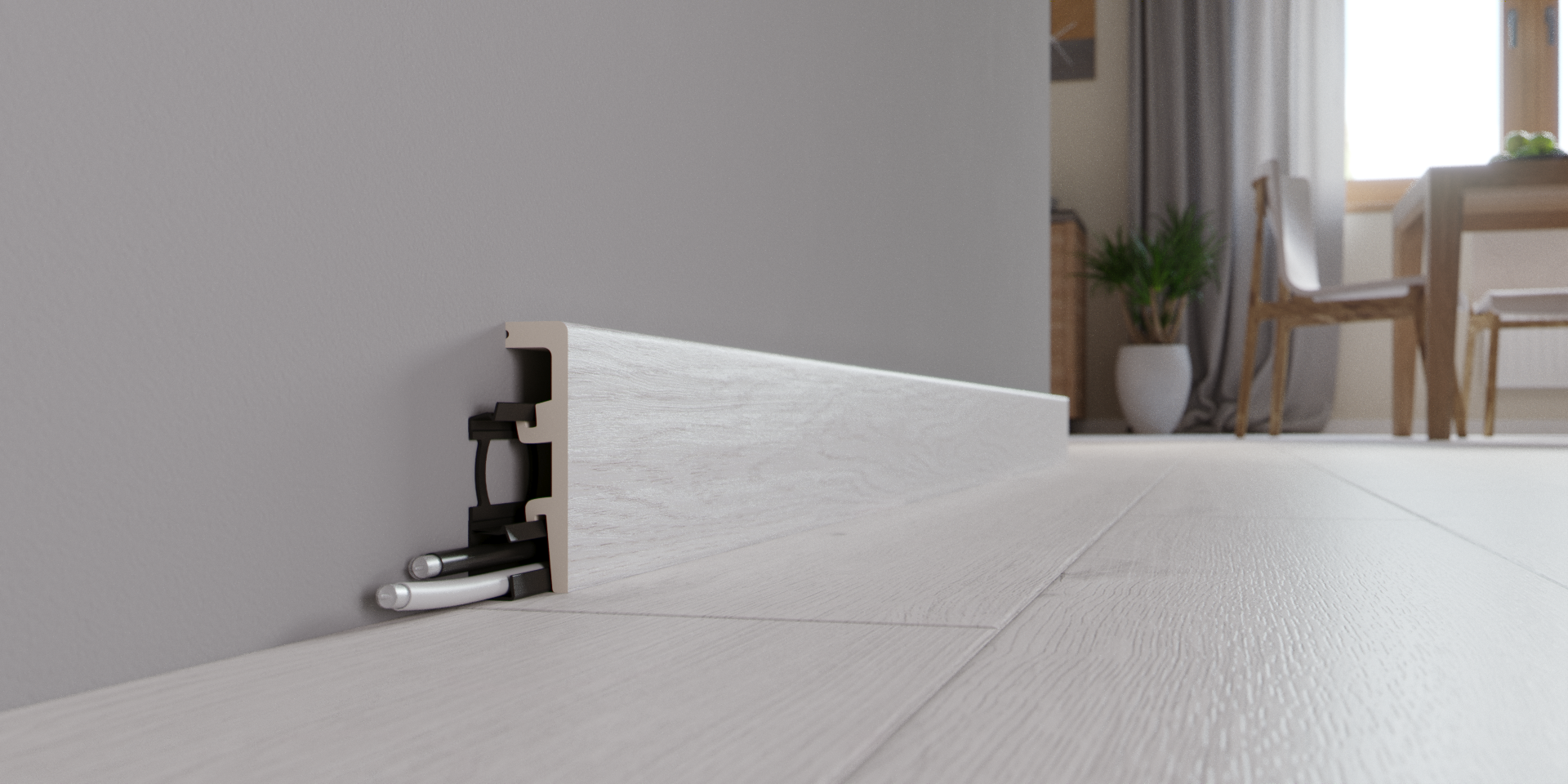

Height (mm) : 80
Technology: PVC-FREE (HDPS)
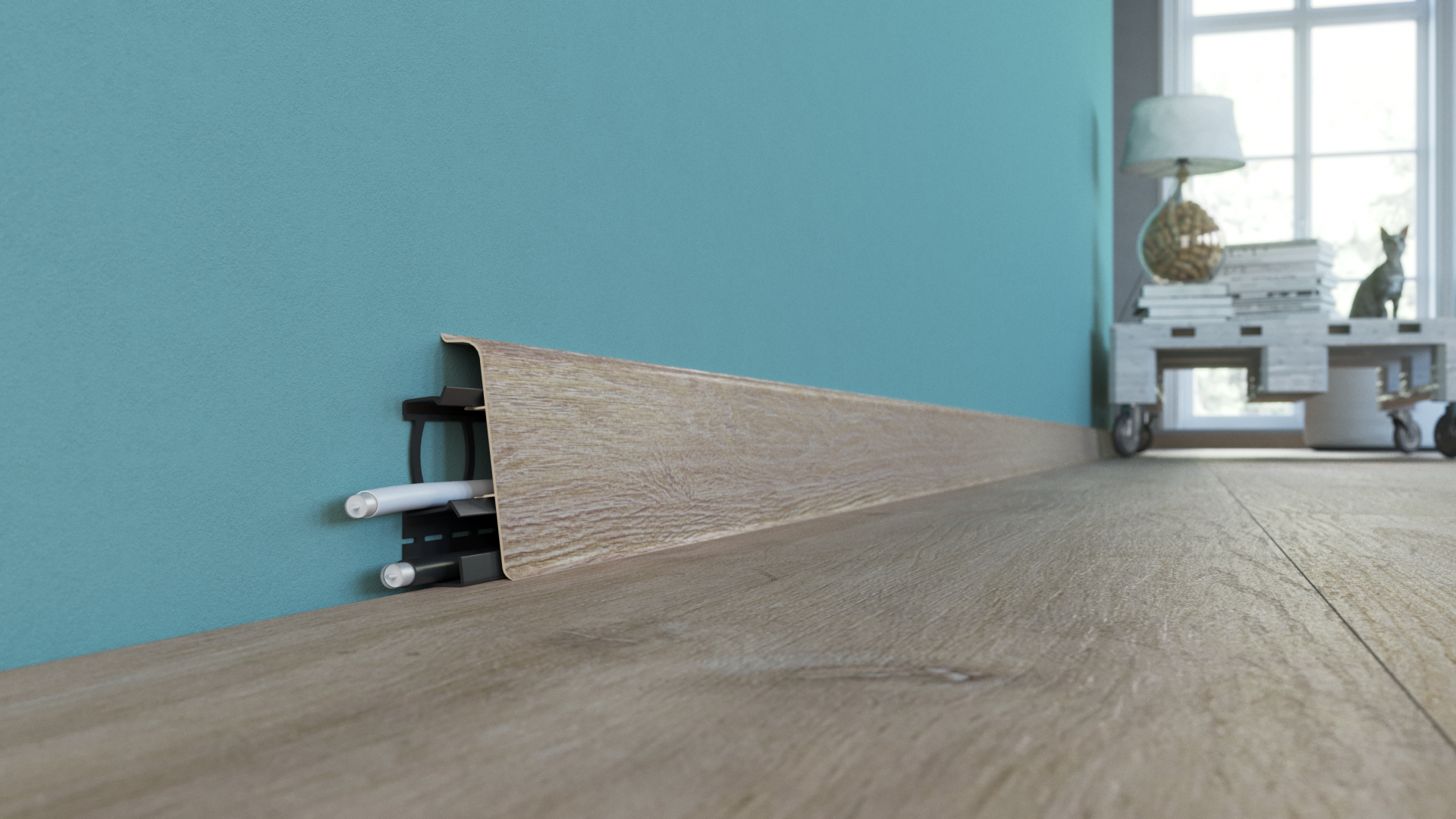

Height (mm) : 60-100
Technology: POLYMER
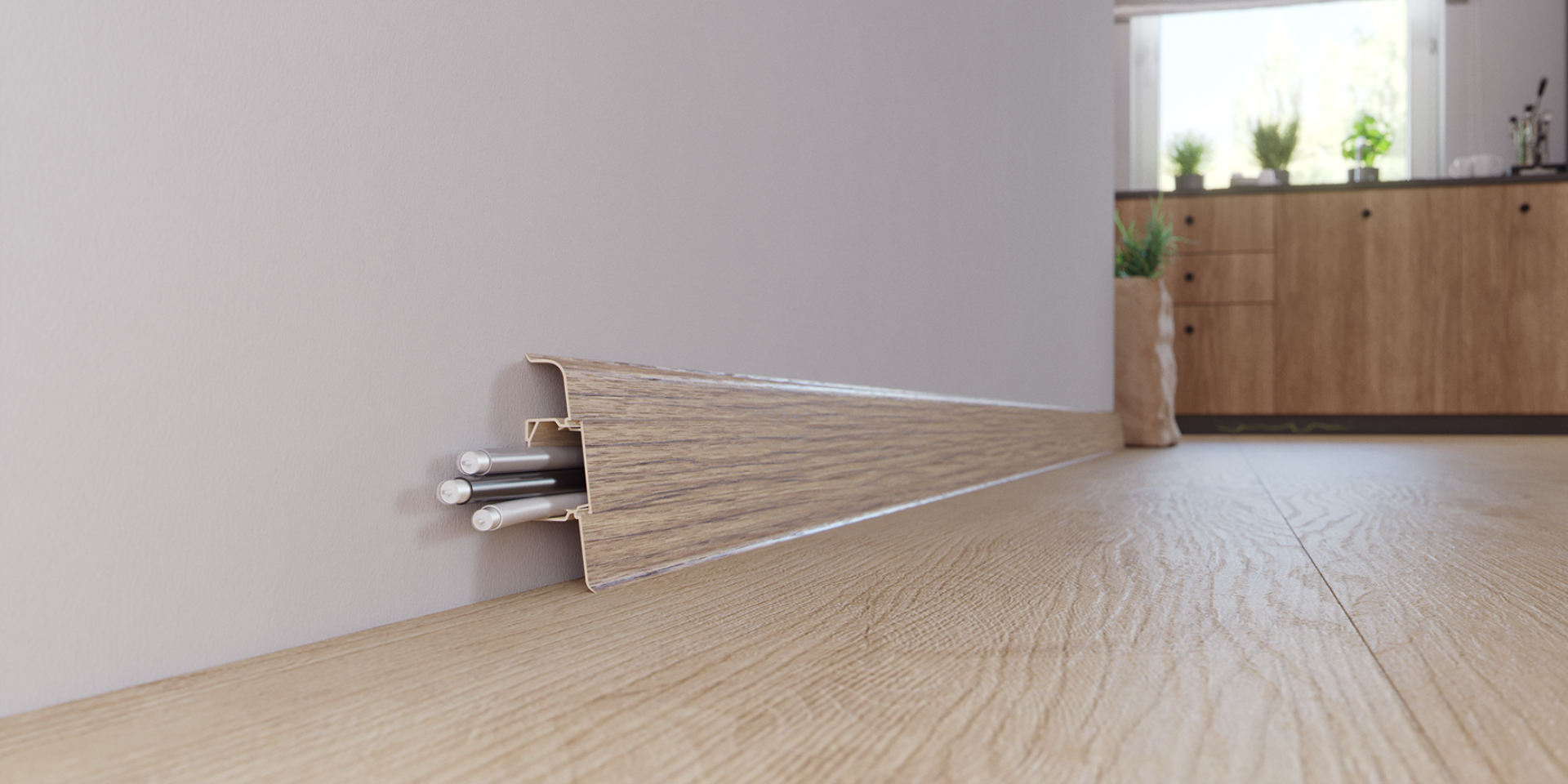

Height (mm) : 60-100
Technology: POLYMER
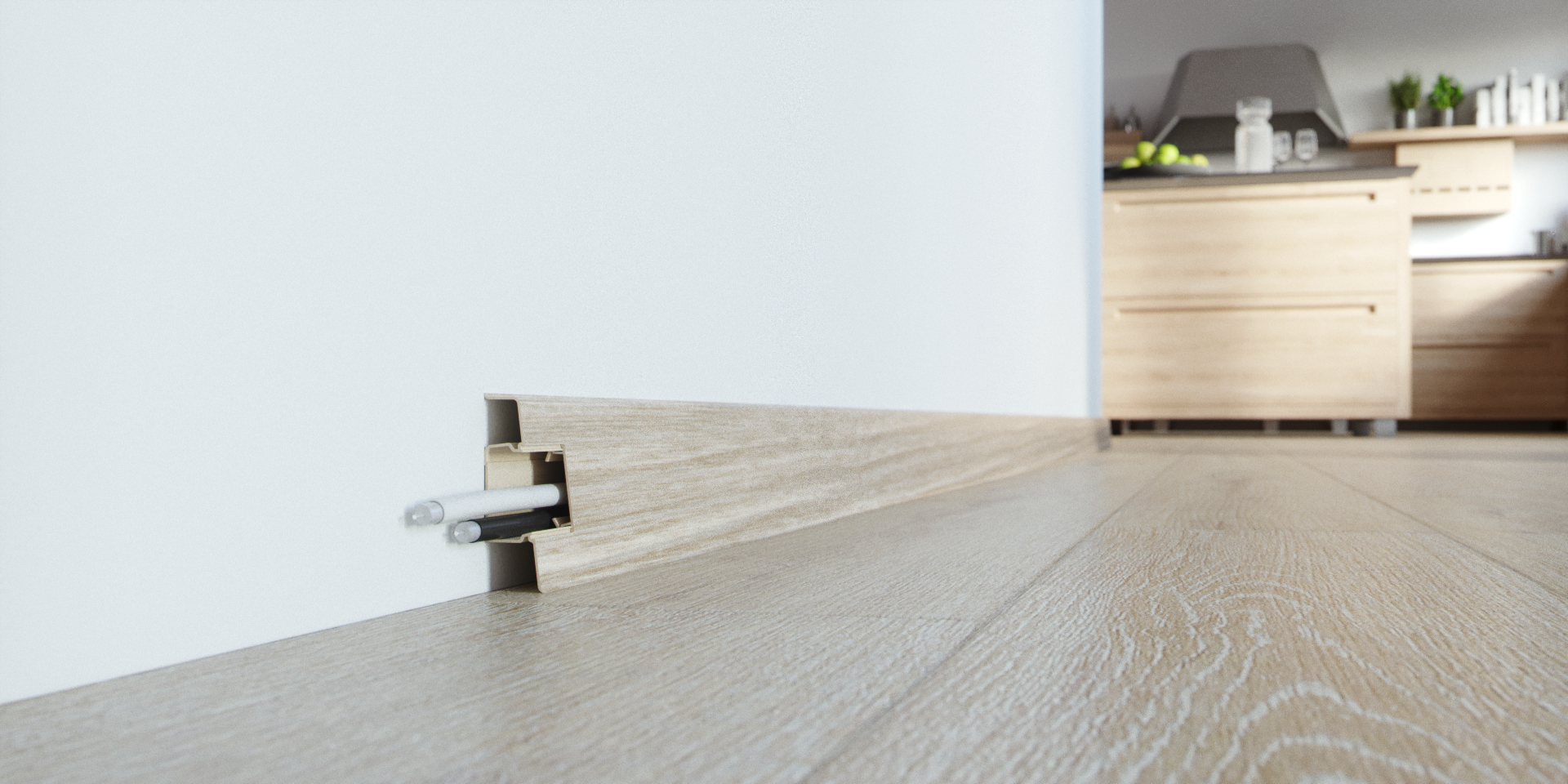

Height (mm) : 60-100
Technology: POLYMER
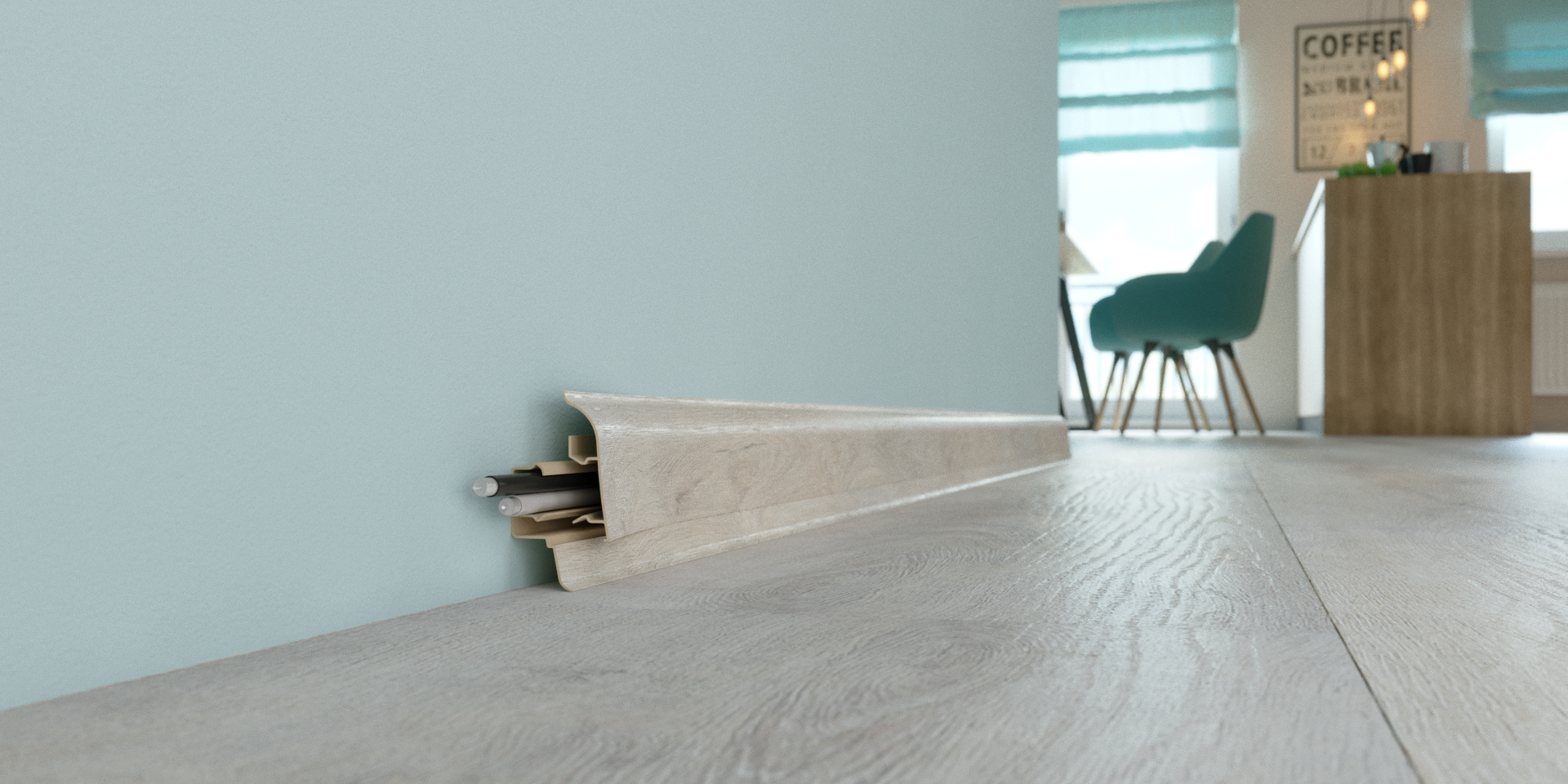

Height (mm) : 60
Technology: POLYMER

Height (mm) : 55
Technology: POLYMER

Skirting boards are a finishing element that is of great functional importance. Whether the floor panels will look beautiful depends on their quality, durability and appearance. Even the most beautiful panels will not give their shine if they are not accompanied by a properly selected skirting board...
The Arbiton brand from the very beginning has a holistic approach to product development and building its range of solutions. Since we offer vinyl flooring, underlays and floor profiles, we couldn't forget about skirting boards. What's more, we have prepared modern solutions that you will certainly appreciate. Innovation is written in our DNA, so when creating each product, we strive to bring something new to the market - improve the assembly process, increase the functionality of the product or increase its mechanical properties. In this way, collections of available skirting boards were created, which were appreciated by customers all over the world.
Today, we have several collections that are gaining popularity every year. What's more, we regularly refresh them so that our range meets all the needs of customers, both those who professionally deal with the broadly understood installation of floors, and amateurs preparing to renovate a house or apartment. Our skirting boards will meet the expectations of both - we are sure of that!
How to properly choose skirting boards? We already rush with explanation!
There are several solutions. In fact, how you choose your skirting boards depends on the effect you want to achieve. You can choose the skirting boards to match the color of the floor, i.e. make sure that they are somehow its extension - a reflection of the structure and color of the wood. This approach makes the skirting boards unobtrusive, and the whole flooring looks really elegant. Today, when we can find dozens, if not hundreds of available colors and compositions imitating or reproduce wood structure, this method of selecting skirting boards is particularly popular.
The second way is to match the skirtings boards to other interior design elements - e.g. window joinery or doors and frames. The most frequently chosen colors are white, gray or anthracite. This solution works well both with slightly more modern arrangements, as well as classic ones, e.g. in the English style, where we often choose a slightly higher boards. It should also be remembered that the boards can be painted to match the color of the walls. They will then be less visible, but still functional. Regardless of which solution we choose - it is worth choosing high-quality, extremely durable skirting boards.
Arbiton skirting boards offer - check what we have prepared for you!
The portfolio we have created is an example of a well-thought-out, properly constructed proposal, based on the expectations of customers - both private and those who professionally install floors. All products available in the Arbiton brand range are distinguished by the highest quality, precision of workmanship and above-average durability. In a word, by choosing our products, you choose certainty that will last for many years intact. Below we present the available product lines divided according to the material from which the slats are made.
Skirting boards made of various materials
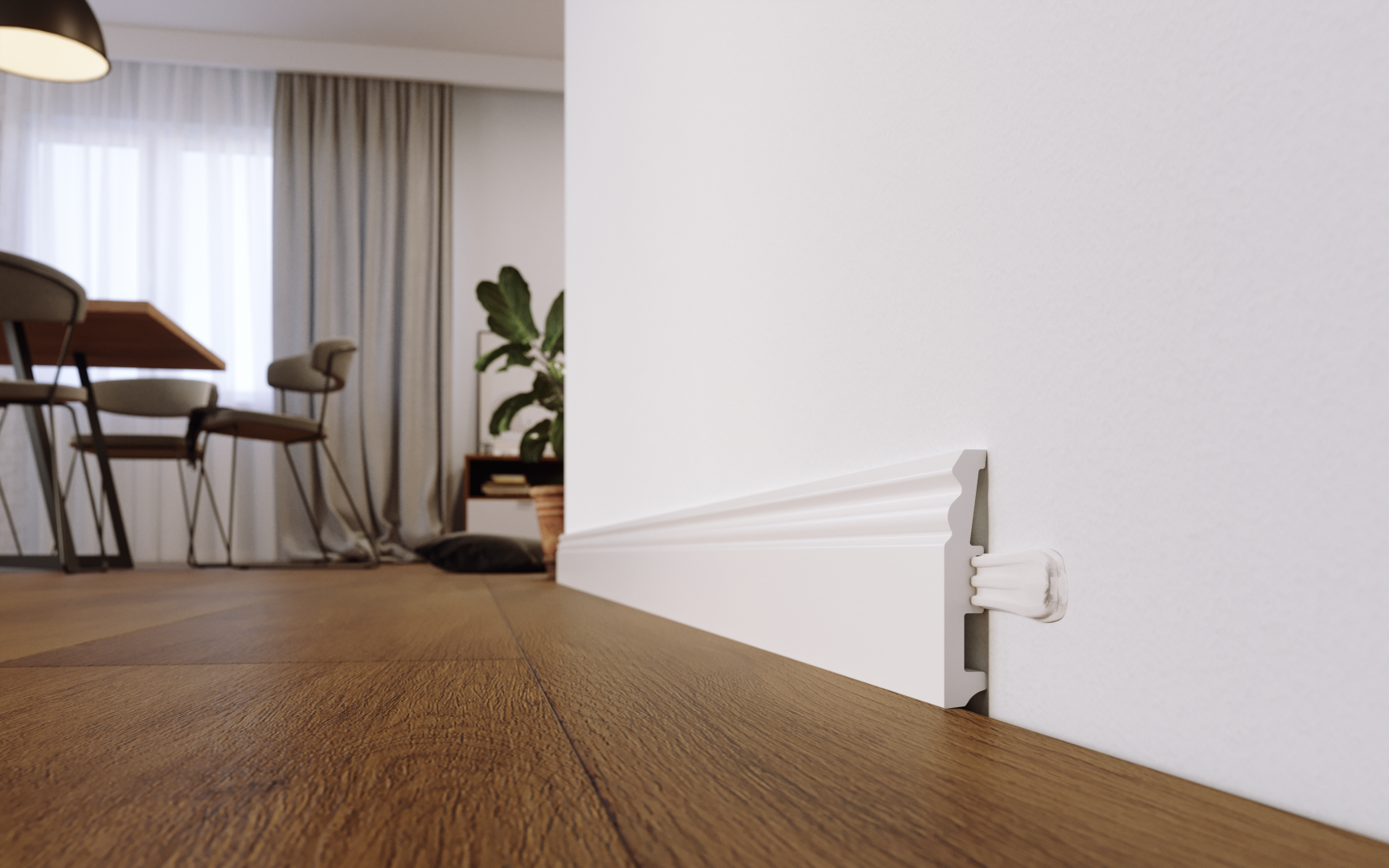
Currently, the most popular solution are skirting boards made of plastics (eg PVC). These are modern products that, first of all, convince with features such as flexibility, water resistance and incredible simplicity of assembly. An excellent example of this product group is the INDO skirting board, very often chosen by our customers. The most important feature of INDO is the lack of an assembly channel (there are no gaps characteristic of PVC on the boards), and thus we obtain a uniform surface of the board - it is unique when it comes to PVC. Among the technical properties, it is worth noting the 4 way installation system that allows the installation using double-sided tape, screws, staples or glue. It is a good choice for all people who value innovative products tailored to the user's needs.
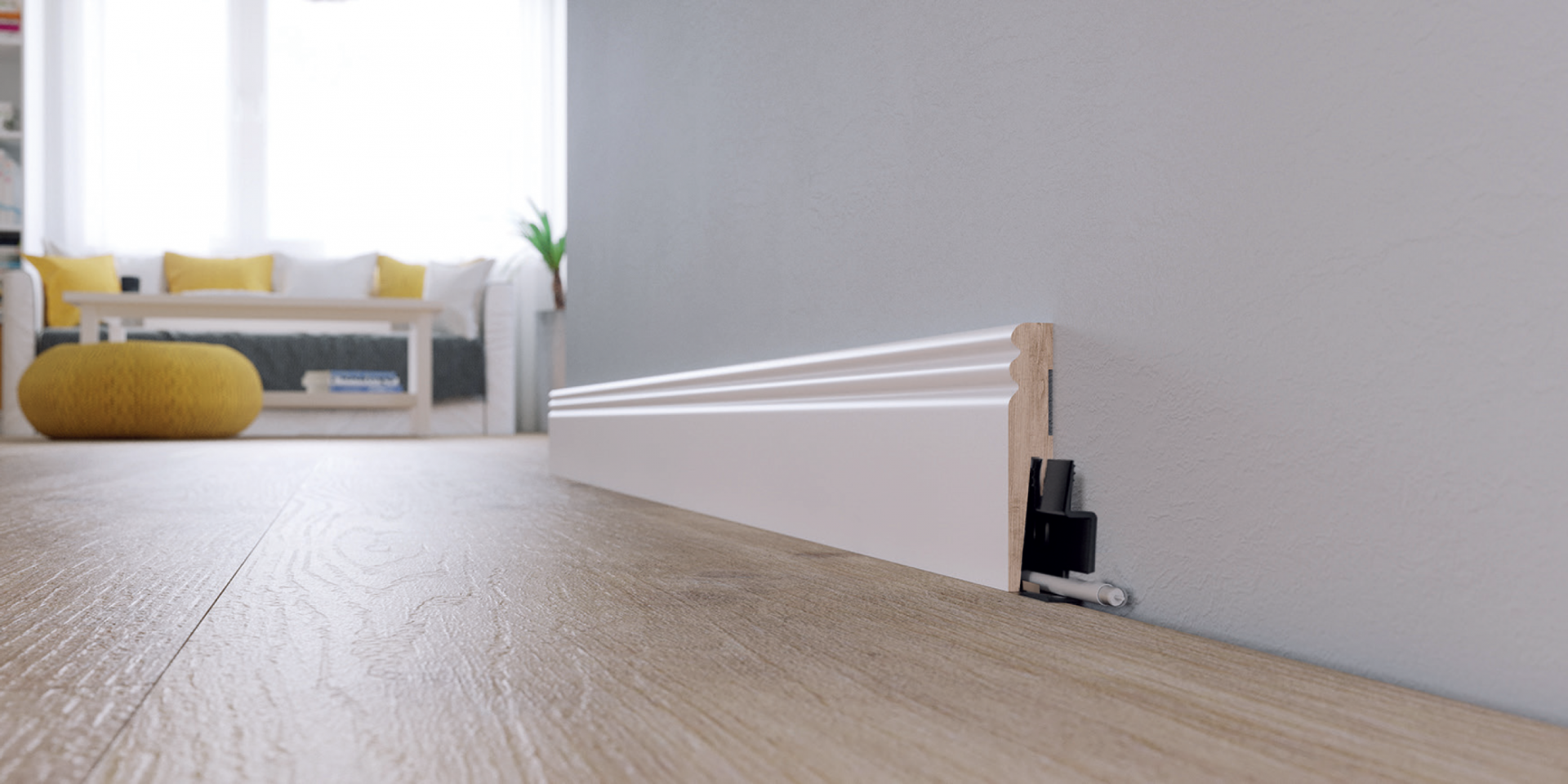
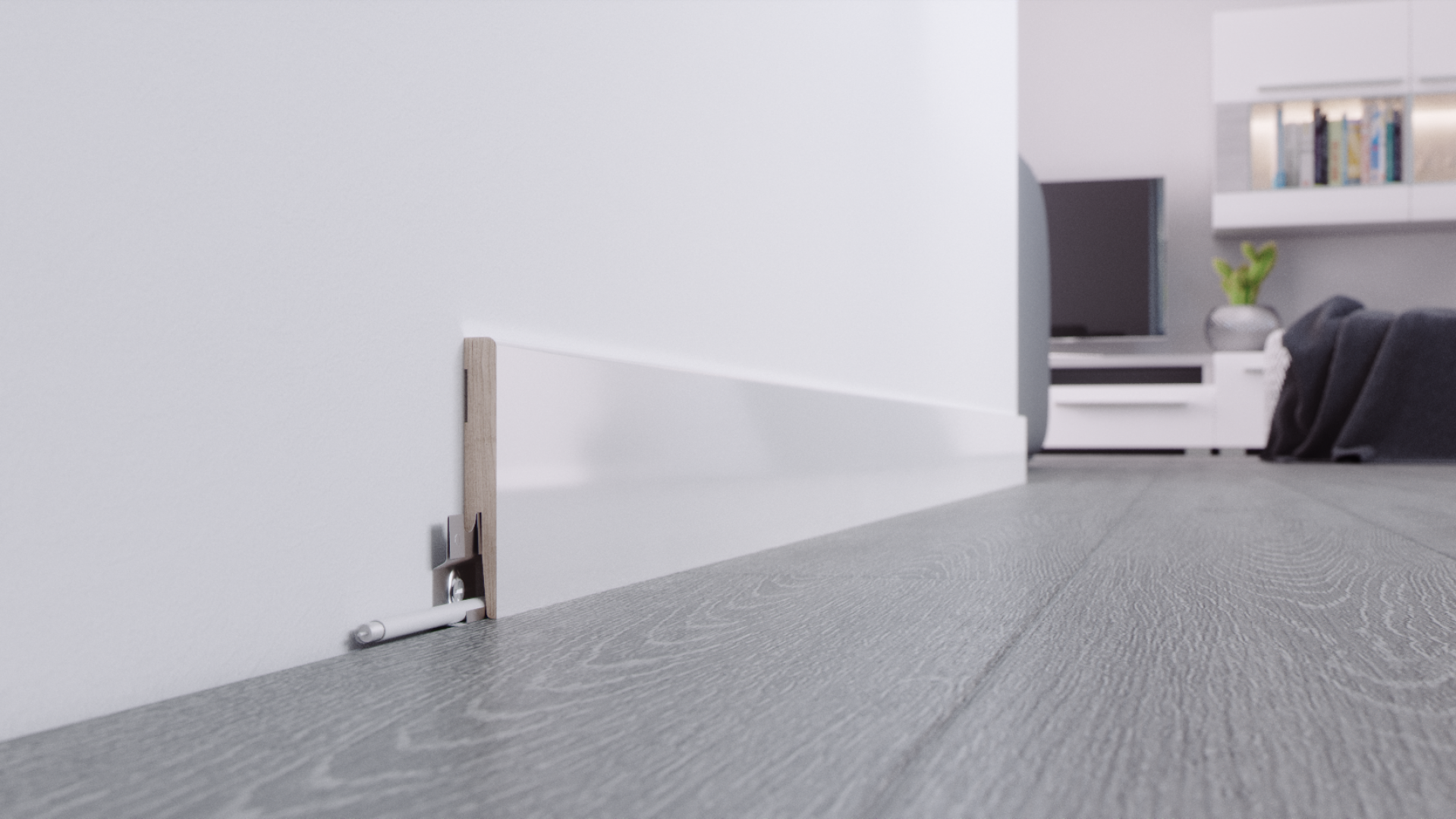
Besides PVC, MDF is another extremely popular material. Its biggest advantage is its beautiful appearance. It resembles wood, and thanks to the varnished surface, we get a deep, durable color. What's more, you can paint the MDF material yourself to get the color you want. Then it is worth choosing PAINT IT skirting boards. We should also mention the higher hardness of MDF boards, which translates into even higher durability. The offer of MDF boards is really wide, so you will certainly find models that meet your expectations.
We must also mention hybrid skirting boards. They are constructed in such a way, to get the best of both worlds - PVC and MDF. They are a perfect combination of the advantages of both of these solutions. When deciding on hybrid skirting boards, we choose a waterproof, fully flexible product with high resistance to mechanical damage. It has a matte surface resembling varnished skirting boards. The VIGO series - because we are talking about it - is available in several interesting colors, so you can rest assured that it will match your floor properly.
The latest trend is with NON-PVC skirting boards. They have all the functional features that determine the success of skirting boards such as INDO, but they are made of ecological material.
This, of course, is not all, we encourage you to familiarize yourself with the full collection of Arbiton skirting boards. We are sure that it will surprise you positively more than once, and the proposed solutions will make the selection and installation of the floor a pleasure.
Efficient installation of skirting boards
It is worth mentioning the assembly of the skirting boards, which is usually done efficiently. This is a valuable feature, especially when the installation takes place in a building with a larger area and we have several dozen or several hundred meters of skirting boards to be installed. Most often they are mounted with the use of screws or specialized glue, but in our offer we also have models with the 4 Way system, which allows for four mounting methods, using screws, staples, glue or double-sided tape. Choose skirting boards that suit your needs and we guarantee that their installation will be hassle-free.
Maximum functionality - what else do the skirting boards do?
So far, we have focused mainly on the aesthetic function, which - understandably - is most often exposed. However, it is worth remembering that skirting boards are a really practical solution, the functionality of which is much richer. In that case, what else can high-quality skirting boards help us with? First of all, it will be:
covering the dilation - this feature has already been mentioned, but is too important to be omitted now. The expansion gap is a necessity, so it is also necessary to install the selected board,
wall protection - the skirting boards overlaps the wall a few centimetres, thanks to which it protects it from damage during vacuuming. What's more, it also protects it against possible splashes when mopping the floor,
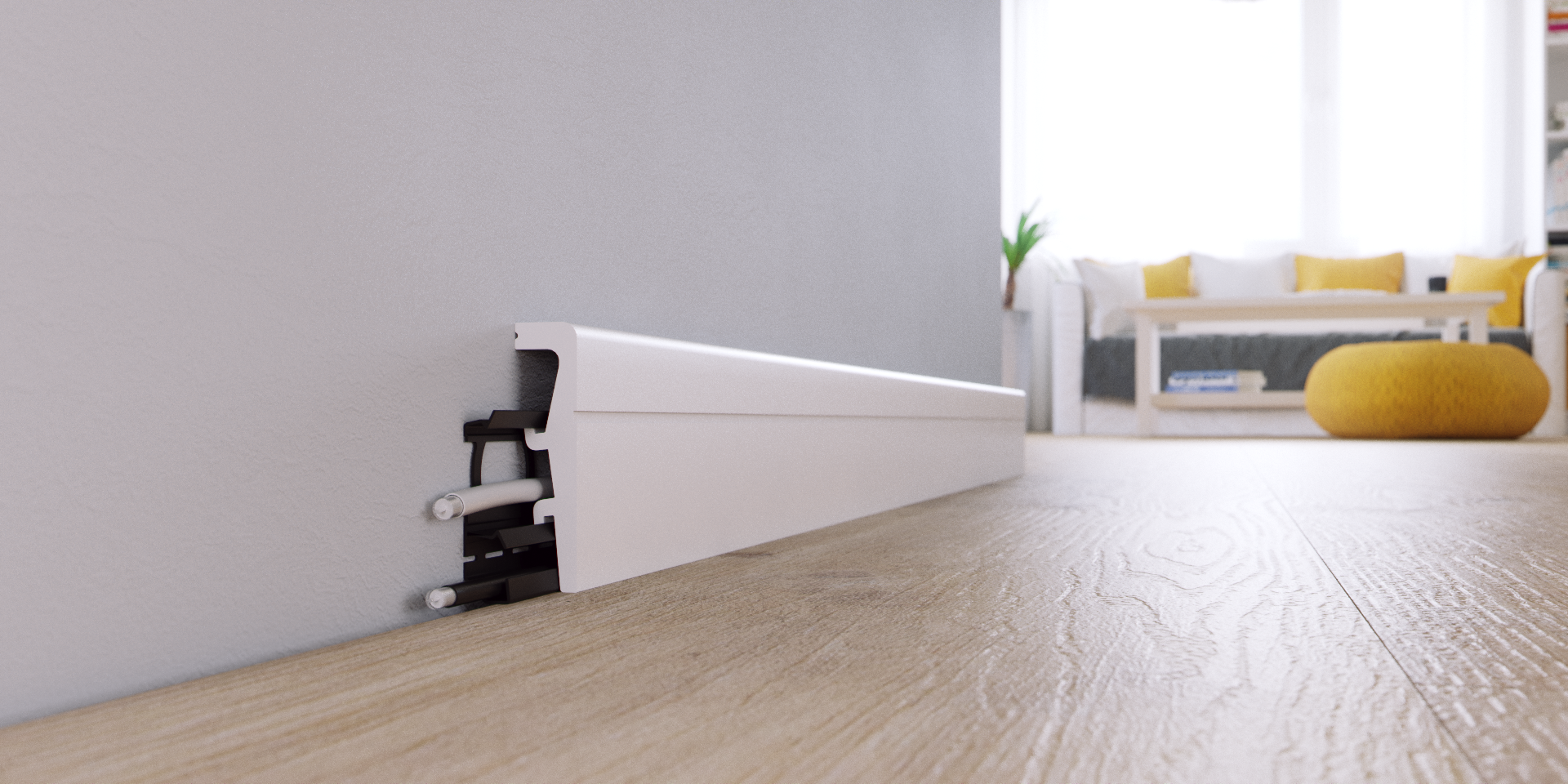
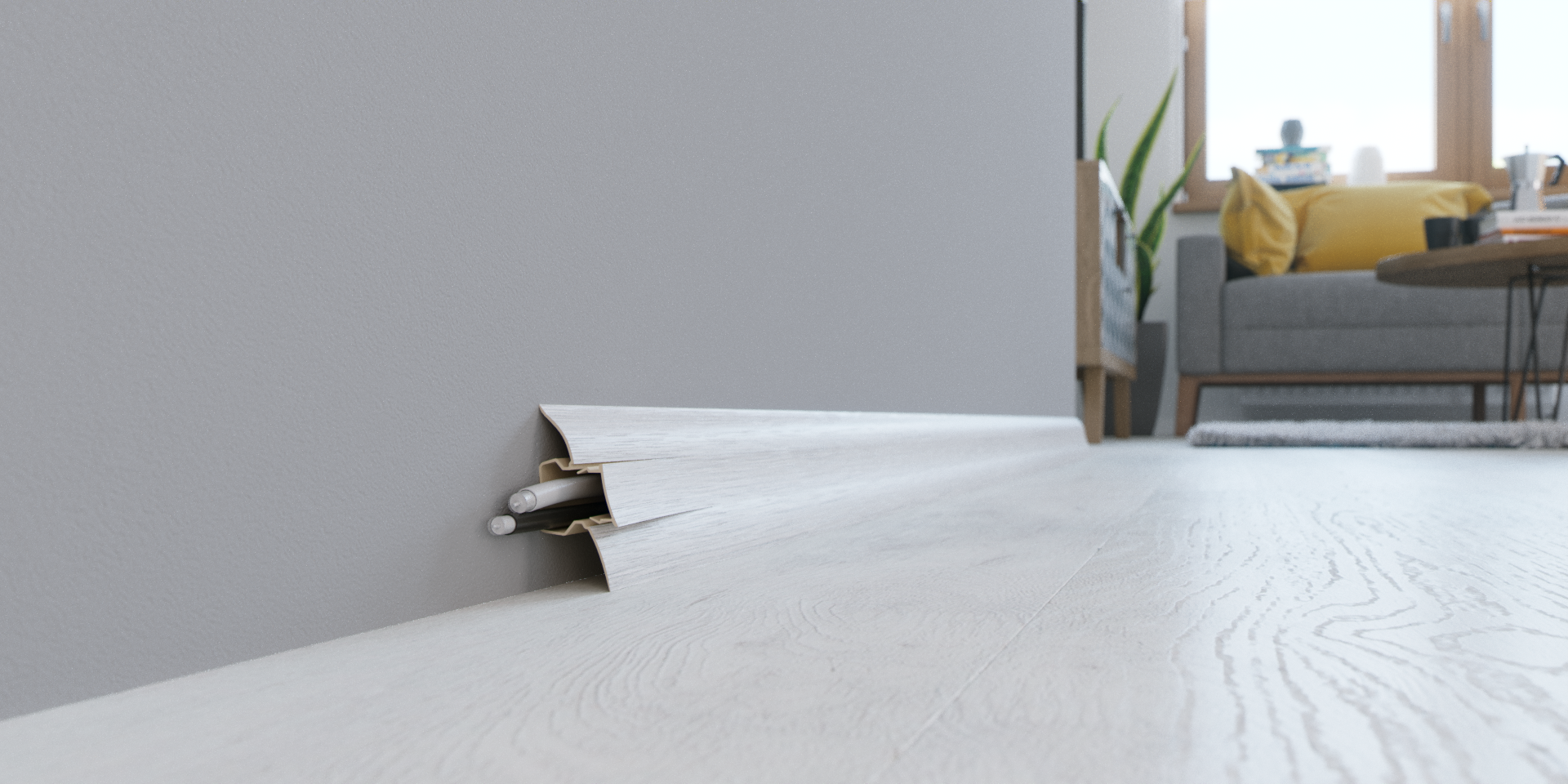
masking cables - we will find a lot of cables in every home, apartment or office. Unfortunately, they do not look very aesthetically pleasing, so the best solution is to hide them behind the skirting boards. They have a place for it, so it shouldn't be a problem,
protection against dust - a skirting boards that adheres well to the wall protects the place where the floor and wall meet, and the expansion gap against dust. This solution will be appreciated especially by people suffering from allergies, but also by those for whom order is extremely important.
A wide range of the Arbiton brand - a complete floor system
We know that our clients have different needs and - if we want to answer them - we have to act in many ways. With this in mind, we are constantly developing our offer. You will find here not only skirting boards, but also vinyl flooring (including vinyl with HD MINERAL CORE mineral core), underlays and floor profiles. Thanks to this approach, we are able to provide all the elements necessary for the broadly understood floor installation. Regardless of which product you are talking about, you can rest assured of its quality. Every day we make every effort to ensure that our products meet the highest standards.
A manufacturer of skirting boards trusted by millions of customers
Twenty-six years ago, our interesting story began. Since then, we have been constantly working to bring innovative products to the market. We have managed to create a flooring system consisting of vinyl flooring, underlays, profiles and skirting boards. We have a modern production plant, specialized staff, and an extensive machine park. So choosing the Arbiton brand, you choose a leader who is not only open to the customer, but also creates trends, setting the tone for the entire industry. We hope that the available products will meet your expectations, so that you can join the group of satisfied contractors.
Are you looking for high-quality skirting boards? You are in the right place, check our offer! We believe that you will find exactly what you are looking for in it. Arbiton - professionals when it comes to flooring.
